Today, 31 October 2026, is the date by which pension schemes and providers in scope must be connected to the UK’s pensions dashboards system. This article explains what that deadline covers, how the technology finds a saver’s pensions, and what it does not yet mean for the public.
What actually falls due on 31 October 2026?
According to the Department for Work and Pensions’ guidance on the staged timetable, all schemes and providers in scope are legally required to be connected to the pensions dashboards ecosystem, and ready to respond to requests for pensions information, by 31 October 2026 at the latest. The guidance warns that missing the date may lead to enforcement action by the relevant regulator.
The Financial Conduct Authority sets out the same date for the personal and stakeholder pension providers it regulates. Its page says providers must comply with its dashboards rules, which sit in section 19.11 of its Conduct of Business Sourcebook, by 31 October 2026 at the latest.
This is a connection deadline, not a launch date. Government guidance distinguishes between the date industry must be plugged in and the point at which dashboards become available to the public. The pages opened for this article do not give a public launch date, so readers should treat any claim of one with caution until the government confirms it.
What is a pensions dashboard, and why build one?
A pensions dashboard is an online service that lets people see their pensions information, including their State Pension, free of charge and in one place. The government’s guidance says dashboards are also intended to help reunite savers with lost or forgotten pensions.
The problem is a familiar one. Someone who has worked for several employers over a career may hold a handful of workplace pensions, each with a different provider, a different login and an address that may have gone out of date. The dashboards project does not move money or merge pots. It is a piece of shared digital infrastructure: schemes answer standardised electronic questions, and a dashboard presents the answers.
That makes this a genuinely Future Wealth story. The same logic that has reshaped investment platforms, as covered in our piece on how fintech is taking over wealth management, is now being applied to pensions, with an emphasis on data standards rather than on any single app.
How does a dashboard find your pensions?
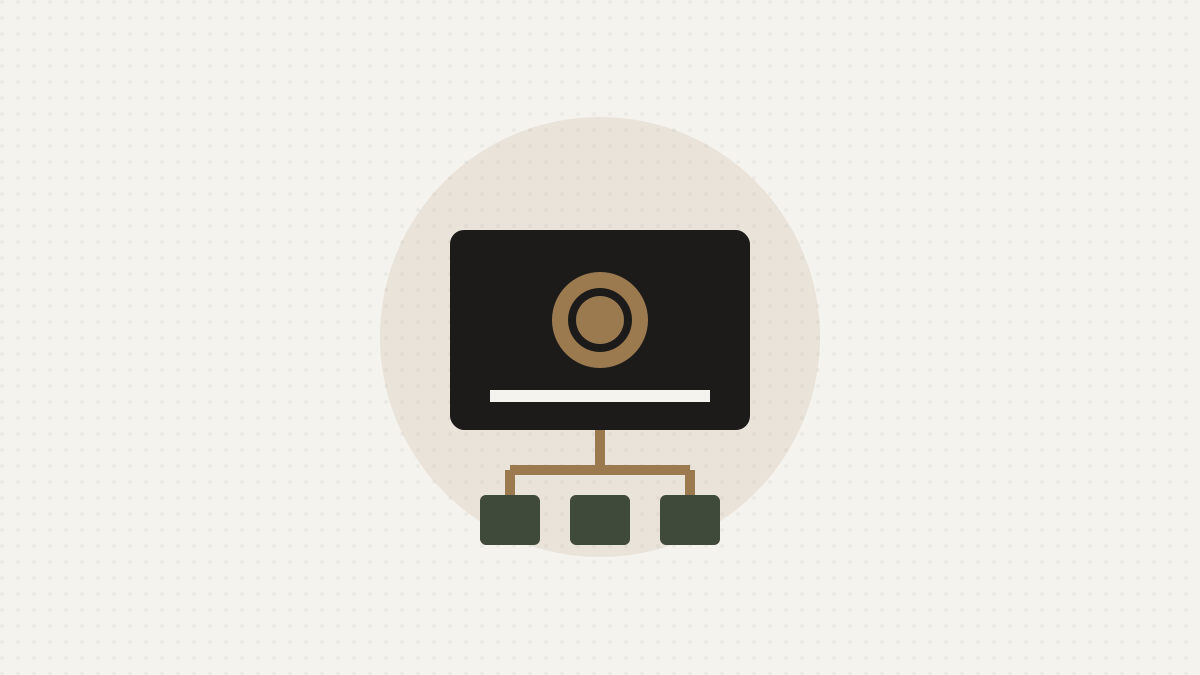
The process has two distinct steps, which the guidance calls “find” and “view”.
First, the user is verified through GOV.UK One Login. According to The Pensions Regulator, this must happen before a find request can be issued, so schemes can be confident the person asking is who they say they are.
Second, the find request goes out to connected schemes and providers. The Pensions Regulator says it includes the saver’s first name, last name, date of birth and email address, plus a mobile number if one is used for two-factor authentication. Savers may also add National Insurance numbers, and the regulator notes that future versions may allow previous or alternative surnames and contact details.
Each scheme then searches its own records. The Pensions Regulator describes three outcomes:
- A match: the scheme is confident it has found the member’s record, registers a pension identifier and can return data when the member asks to view it.
- A possible match: the scheme is not certain enough to release data. The member is told they may have a pension and must provide more information, and has 30 days to respond. If they do not, or the match cannot be resolved in time, the scheme deletes the personal information.
- No match: if the scheme holds no pension for the person, it must delete the personal information provided.
The deletion rules matter. They show the system is designed so that schemes do not keep the search details of people who turn out not to be members.
Who has to connect, and when?
Connection has been staged since 2025, with the largest schemes first. The staged timetable is built on the number of relevant members a scheme had at a reference date, with members counted including active, deferred and pension credit members. A selection of dates from the government and Pensions Regulator pages shows the pattern:
| Scheme or provider | Size | Connect by |
|---|---|---|
| Master trusts (money purchase only) | 20,000 or more members | 30 April 2025 |
| FCA-regulated personal and stakeholder providers | 5,000 or more members | 30 April 2025 |
| Public service pension schemes | All sizes | 31 October 2025 |
| Occupational schemes | 750 to 999 members | 31 January 2026 |
| FCA-regulated providers | Fewer than 5,000 members | 31 January 2026 |
| Occupational schemes | 100 to 124 members | 30 September 2026 |
The Pensions Regulator adds that a scheme that reaches 100 or more relevant members on or after 1 April 2024 must connect by the later of six months after the end of the scheme year in which it reached that size, or 31 October 2026. The FCA notes that the staged dates are not themselves mandatory for the firms it regulates, though firms must have regard to them.
What happens if a scheme misses its date?
The Pensions Regulator’s page does not set out a specific penalty. It says that not following the guidance could expose trustees to a greater risk of not being able to comply with their dashboards duties, and that they must be able to show they have had regard to the guidance from the Department for Work and Pensions and the Money and Pensions Service.
Where some memberships are not yet connected, trustees are expected to take prompt and effective action and to consider whether to report a breach to the regulator. For FCA-regulated providers, full compliance with the rules starts when the firm connects to the live environment. The FCA says firms must register with the Money and Pensions Service using a registration code obtained from the regulator, connect to the digital architecture (usually through a third-party connection provider), and then be able to receive requests, search their records and return information to the saver’s chosen dashboard.
What will savers actually see?
The government’s description is intentionally modest: a way to find pensions and then view information about them, including the State Pension. The pages opened for this article do not list the individual data fields a saver will see, so the exact layout is best confirmed once dashboards launch.
Equally important is what the dashboards are not. Their purpose is information, not transactions. Nothing in the guidance suggests savers will transfer, consolidate or withdraw pensions from a dashboard. The FCA also describes dashboards in terms of pensions not yet paying benefits, so someone already drawing an income should not assume every pension will appear.
Why might a saver’s record fail to match?
Matching depends on the quality of the data each scheme holds, and that is where real-world friction is likeliest. A saver who changed surname, moved house several times or left an employer decades ago may be harder to match than someone with a stable record.
This is why the possible-match process exists, and why the optional National Insurance number can help. It is also a practical reason to keep personal details current with providers. Anyone wanting a clearer view of their State Pension position today does not have to wait: our guide to how to check and fill State Pension gaps covers the existing forecast route.
Is this the start of a wider shift in how savings are tracked?
This section is analysis rather than reporting. Pensions dashboards are an example of a pattern that is becoming familiar in finance: regulators mandate common data standards, firms are compelled to connect, and consumer-facing tools are built on top. The same instinct is visible in other areas of modern financial plumbing, such as the Treasury’s experiment with issuing government debt on distributed ledger technology, which we examined in what the digital gilt pilot is. In each case, the headline innovation is less glamorous than the infrastructure beneath it.
Whether dashboards change behaviour is an open question. A single view of pensions could make it easier to notice small forgotten pots, compare projected values and spot gaps. But a view is not a plan, and the figures shown will be only as good as the underlying records.
A deadline is the start of the test, not the end
The connection deadline marks the point at which the legal obligation on the industry bites. What matters to savers is what happens next: how many schemes are actually live, how accurate the matching proves to be, and when the government confirms that dashboards are open to the public. Until then, the sensible reading is that the system is nearly built but not yet in everyday use, and that the work for most households is simply to keep their records and contact details up to date.
This article is general information, not personalised financial advice. Rules and rates change.
Sources: Department for Work and Pensions; The Pensions Regulator; Financial Conduct Authority